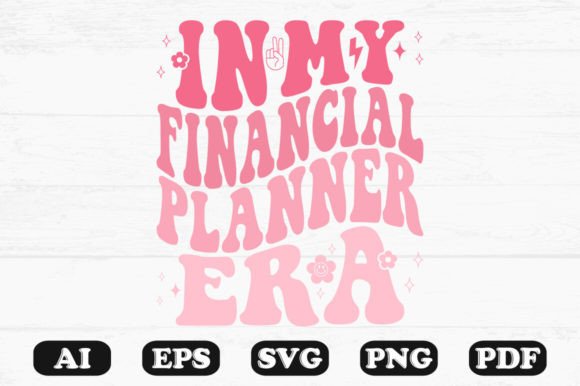
In My Financial Planner Era Retro Wavy
As a designer with years of experience in embroidery and digital product creation, I’ve evaluated countless machine embroidery designs. In My Financial Planner Era Retro Wavy stands out as a unique and nostalgic option that could work well in the right context. But like any design, it has its strengths and limitations that need to be considered before using it in real projects.
A First Impression: Nostalgia Meets Simplicity
The first thing that catches your eye with In My Financial Planner Era Retro Wavy is its vintage aesthetic. The wavy lines and retro typography give it a classic feel that evokes a bygone era. It’s not overly complex, but the layout feels balanced and intentional. The design seems to be aimed at those who appreciate subtle nostalgia rather than bold statements.
This makes it ideal for custom apparel, especially items that lean into a laid-back, artisanal vibe. Think of a tote bag for a small business or a sweatshirt for a boutique brand that wants to evoke a sense of timelessness. The design isn’t flashy, but it has a quiet charm that can resonate with customers looking for something different from the usual trends.
Real-World Embroidery Performance
When considering In My Financial Planner Era Retro Wavy for real-life embroidery, there are several factors to keep in mind. The design’s simplicity means it should translate well onto most fabrics, but the wavy elements require careful attention to stitch density and placement. If the waves are too dense, they may look cluttered, especially on lighter fabrics.
For a project like a baby onesie or a personalized gift, this design could work beautifully. The retro style adds character without being overwhelming. However, if you’re planning to use it on a cap or a patch, the curved surfaces might challenge the design’s clarity. The wavy lines may not hold up as well on rounded edges, so testing on a scrap piece of fabric is essential before committing to a full project.
Where to Use It Carefully
While In My Financial Planner Era Retro Wavy has a lot to offer, there are certain situations where it might not perform as expected. For example, on small hoop sizes, the design might feel cramped, making it harder to achieve clean stitches. This could be an issue if you're working on a detailed corner or a tiny lettering section.
On textured or stretchy fabrics, the design might not sit as smoothly as intended. The wavy lines could become distorted or lose their shape. Similarly, on dark fabrics, the contrast might not be as strong unless you choose a thread color that stands out. Always test the design on the actual fabric you plan to use before starting a larger project.
Impact on Visual Appeal and Customer Perception
One of the key aspects of any embroidery design is how it affects the overall visual appeal of the finished product. In My Financial Planner Era Retro Wavy has a clean, vintage look that can elevate the perceived value of a handmade product. When used correctly, it can make a custom item feel more personal and thoughtful, which is great for Etsy sellers or small shop owners looking to stand out.
However, if the design is not executed properly—whether due to poor stitching, incorrect thread color, or improper stabilizer—it can detract from the quality of the final product. Customers expect consistency, and a poorly executed design can lead to negative reviews or lost trust. That’s why it’s important to take the time to test and refine the design before offering it to clients or selling it online.
Practical Designer Notes
Before using In My Financial Planner Era Retro Wavy in your next project, here are a few practical tips to consider:
- Test on scrap fabric: Always do a trial run on the same material you plan to use for the final product. This helps identify any issues with stitch density, thread color, or fabric texture.
- Check thread color contrast: Make sure the chosen thread color complements the fabric and enhances the design’s visibility.
- Review stitch density: Adjust the stitch density if the design appears too light or too heavy on the fabric.
- Confirm hoop size: Ensure the design fits within your machine’s hoop size to avoid cutting off parts of the design.
- Inspect small details: Pay close attention to the corners and curves of the wavy lines to ensure they remain clear and defined.
- Test in black and white mockups: Sometimes, the design looks different when printed in monochrome, so it’s good to check how it appears without color.
- Compare light and dark fabric backgrounds: The design may need adjustments depending on whether it’s placed on a light or dark background.
- Use proper stabilizer: A good stabilizer can prevent puckering or distortion, especially on stretchy or delicate fabrics.
- Confirm licensing: If you plan to sell finished items or digital products, make sure you have the correct license to avoid legal issues.
Best Fit for Specific Projects
In My Financial Planner Era Retro Wavy is best suited for projects that benefit from a subtle, vintage touch. It works well on tote bags, sweatshirts, and aprons where the design can be the focal point without overwhelming the garment. It also has potential for holiday gifts, personalized items, and small business merchandise that aims for a handcrafted feel.
For a craft business or Etsy seller, this design could be a valuable addition to your collection. It offers a unique aesthetic that can attract customers looking for something different from mass-produced items. However, it’s important to understand the target audience and how the design aligns with their preferences.
Final Thoughts
In My Financial Planner Era Retro Wavy is a design that requires thoughtful consideration before use. Its retro wavy style has a distinct personality that can add character to a wide range of projects. But like any embroidery file, it needs to be tested, adjusted, and applied with care to ensure the best results.
If you’re an embroidery designer, small business owner, or creative entrepreneur, this design could be a useful asset in your toolkit. Just remember to approach it with the same level of care and attention you’d give any other design—because even the simplest patterns can make a big difference in the final product.